

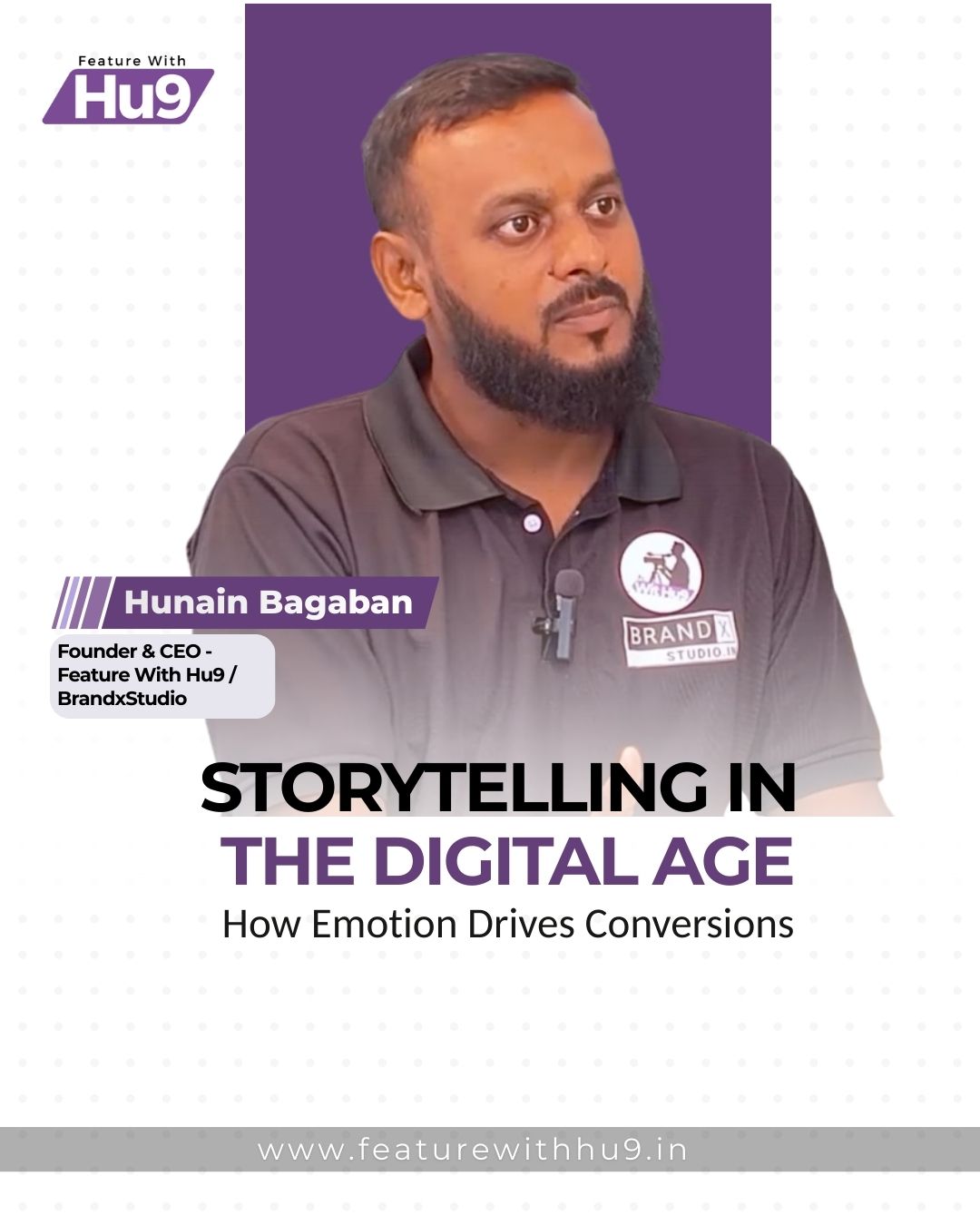
In an online world overflowing with ads, offers, and promotions, one thing still captures attention faster than any sales pitch — a story.
Stories don’t just sell products. They sell feelings. They make people care, connect, and commit. And in the digital age, where attention spans are shrinking, storytelling has become the secret weapon for brands that want to move beyond clicks and drive real conversions.
Let’s decode how powerful storytelling transforms digital marketing from transactional to emotional — and why it’s the heart of modern brand success.
The Shift: From Information to Emotion
A decade ago, marketing was about delivering information — features, prices, and offers.
But today, audiences are flooded with that everywhere. They don’t just want to know what your product does; they want to feel why it matters.
That’s where storytelling comes in.
Stories activate the emotional side of the brain — the part responsible for decision-making. When people connect emotionally, they remember more and trust faster.
That’s why brands like Apple, Coca-Cola, and Airbnb tell stories about people, not products.
They’re not selling a phone, a drink, or a stay — they’re selling creativity, happiness, and belonging.
Emotion Sells, Logic Supports
When you tell a story, you’re not asking someone to buy — you’re helping them believe.
A great brand story takes your audience through three emotional stages:
- Relatability – “That’s me.”
- Aspiration – “I want to feel that way.”
- Action – “This brand helps me get there.”
For example, Nike doesn’t show you a shoe; they show someone overcoming self-doubt to run one more mile.
It’s not about the product — it’s about the emotion tied to it.
Storytelling Across Platforms
Each digital platform has its own storytelling rhythm — and great brands adapt without losing their emotional tone.
- Instagram → Visual storytelling. Use short reels, behind-the-scenes clips, and carousels that humanize your brand.
- LinkedIn → Professional storytelling. Share founder journeys, brand milestones, and impact stories that inspire credibility.
- YouTube → Long-form storytelling. Narratives, testimonials, and brand documentaries build emotional depth.
- Twitter/X → Bite-sized storytelling. Short, punchy lines that make people feel something in a sentence.
Storytelling isn’t about length — it’s about connection. A 10-second reel can sometimes say more than a 10-minute video.
The Hero’s Journey: Your Audience Comes First
Every great brand story follows a classic structure — but the hero is not your brand.
It’s your audience.
You’re the guide helping them solve a problem or achieve something meaningful.
Your product or service is just the tool they use to get there.
Think of it this way:
- Hero: The customer who wants to achieve something.
- Challenge: The problem they face.
- Guide: Your brand offering a solution.
- Transformation: The success they achieve after using your product.
This framework turns every campaign into an emotional journey — not a sales pitch.
How Emotion Converts
Emotion doesn’t just build awareness; it drives action.
According to psychology, people make purchase decisions emotionally first — then justify them with logic.
When a brand story makes them feel inspired, understood, or empowered, they’re far more likely to engage, subscribe, and purchase.
That’s why ad campaigns like Dove’s “Real Beauty” or Google’s “Year in Search” spark both tears and conversions — they tap into universal emotions: self-acceptance, nostalgia, hope.
Emotion creates meaning. Meaning builds trust. Trust drives sales.
Practical Tips for Storytelling That Converts
- Start with the “why.” Before showing your product, show your purpose.
- Use real stories. Customer journeys and founder experiences feel more authentic than scripted ads.
- Be consistent. Keep your brand tone and values steady across all touchpoints.
- Show transformation. Let your audience see what life looks like after choosing your brand.
- Keep it human. Speak like a person, not a marketer. Emotion lives in simplicity.
Example: “Feature With Hu9” Style Storytelling
Imagine a blog or reel about a founder who built a brand from scratch with one simple goal — to redefine digital storytelling.
Instead of just showing success, the story highlights challenges, late nights, and lessons learned.
That’s what makes people stop scrolling. Because it’s real.
Storytelling doesn’t need perfection — it needs truth with emotion.