

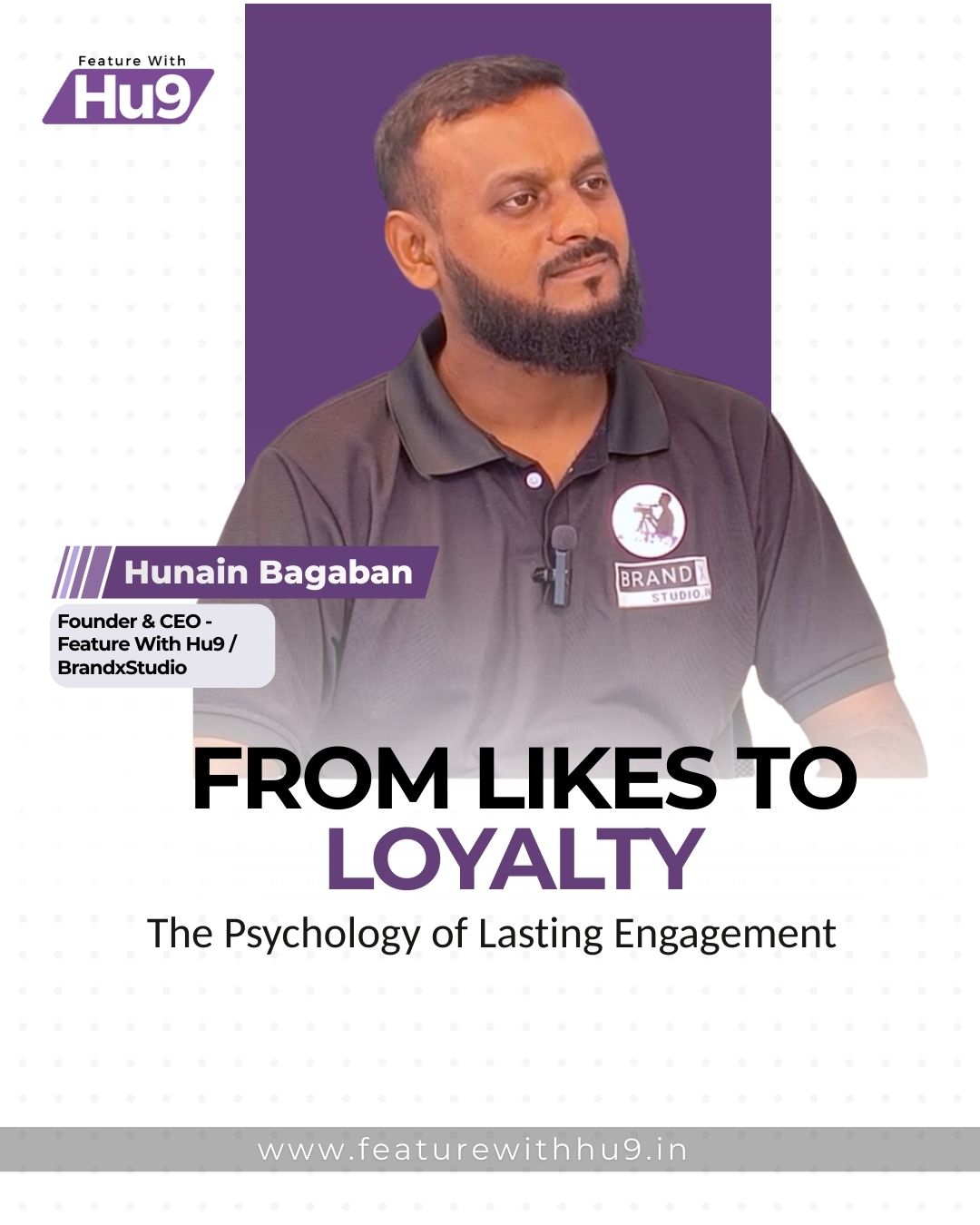
Getting likes is easy.
Earning loyalty — that’s the real challenge.
In a world where attention lasts seconds and trends change by the hour, it’s tempting for brands to chase vanity metrics: likes, views, followers. But behind every click is a human being — one with emotions, expectations, and needs that go far beyond a double-tap.
True engagement isn’t built through algorithms; it’s built through empathy, connection, and consistency. Let’s explore how brands can move beyond superficial numbers and create loyalty that lasts.
Why “Likes” Don’t Equal Connection
Social media has made it incredibly easy to measure visibility — but visibility isn’t the same as value.
A person might like your post out of habit, not because it resonated. They might follow your page but never interact again. Real engagement goes deeper than metrics. It’s when your audience:
- Relates to your message.
- Remembers your story.
- Returns to your brand because it means something.
The Psychology of True Engagement
Human behavior on social media is driven by psychology — how people think, feel, and connect. To turn casual scrollers into loyal supporters, brands need to tap into three emotional principles:
- Belonging
People don’t follow brands; they join communities. When your brand makes people feel part of something — a cause, a lifestyle, or a shared dream — they stay.
Example: A skincare brand that celebrates real, unfiltered beauty invites its audience to be part of a larger movement. - Trust
Trust builds through consistency. When your content tone, visuals, and message stay aligned, people begin to recognize and rely on you. They stop seeing you as a company — and start seeing you as a voice they can depend on. - Emotion
Every purchase is emotional before it’s logical. Whether it’s joy, nostalgia, empowerment, or humor — emotions drive connection. A funny meme can humanize a brand, while a heartfelt story can build loyalty that lasts years.
From Engagement to Relationship
So how does a brand move from surface-level likes to meaningful loyalty? It’s a journey — one built through understanding, value, and dialogue.
1. Understand Before You Engage
Don’t just create content — create relevance. Understand what your audience cares about, fears, or desires. When you reflect their world, your message feels personal.
2. Add Value Every Time
Every interaction should give something — knowledge, entertainment, relief, or inspiration. People come back to brands that consistently add value to their lives.
3. Start Conversations, Not Campaigns
Instead of talking at your audience, talk with them. Respond to comments, celebrate user content, and ask for opinions. Conversation builds connection.
4. Show the Human Side
Behind every brand is a human story — show it. Share behind-the-scenes moments, team wins, customer experiences. When you’re real, people relate.
5. Reward Loyalty
Recognize your community. Small gestures like shout-outs, giveaways, or early access remind people they’re valued — not just counted.
Case in Point: The Brands That Get It
- Zomato has mastered emotional timing. Its witty notifications connect with real-life moods — making users feel seen.
- Starbucks builds belonging through personalization — from using names on cups to loyalty programs that make customers feel special.
- Dove transforms customers into advocates by making them part of a social message: redefining beauty standards.
These brands don’t just attract engagement — they sustain it, because they tap into human emotion, not just social trends.
The Shift: From Metrics to Meaning
The modern digital landscape rewards authenticity. Algorithms change, but human emotion doesn’t. People don’t remember which post got the most likes — they remember how your brand made them feel.
When engagement is driven by heart, it turns into habit. And when habit becomes trust, you build loyalty that no competitor can break.